
Choosing Insulation for Canadian Climate Zones
Why the same R-value target doesn't apply from Victoria to Iqaluit, and how to find the right number for a specific project.
Published
2 min read / Sep 17, 2026 / Kateryna Veselova
The National Building Code of Canada divides the country into climate zones based on heating degree-days, and prescriptive insulation requirements (minimum R-values for walls, ceilings, and foundations) are tied to that zone, not applied uniformly nationally. A wall assembly that meets code in coastal British Columbia can fall well short of what is required in the Prairies or the North.
This is why insulation requirements are always referenced to the specific provincial building code amendment in effect locally, and why a contractor's 'this is what we always use' answer needs to be checked against the actual project location, not assumed from past jobs in a different climate zone.
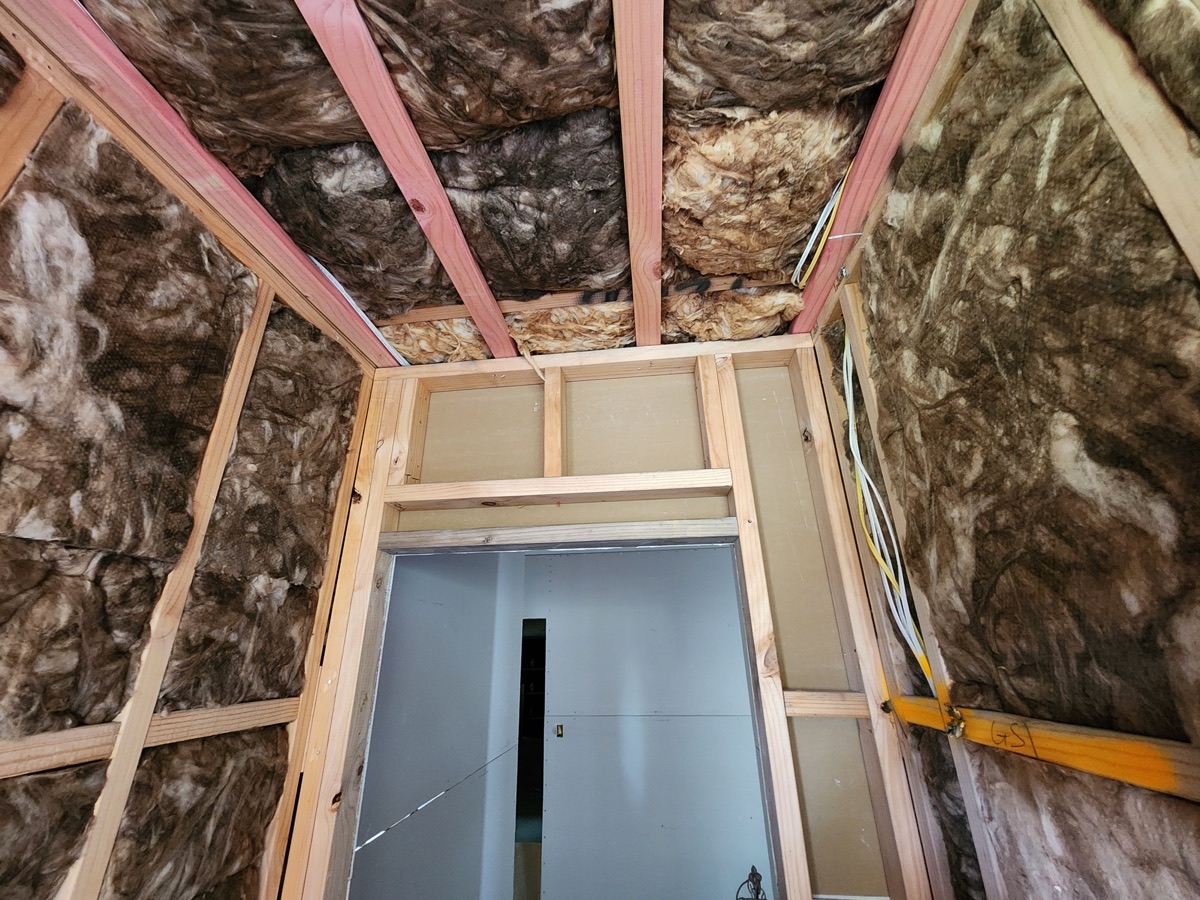
Beyond R-value alone, air-sealing has a major real-world impact that is easy to underestimate: a well-insulated wall with poor air sealing can perform far worse than the R-value suggests, because moving air carries heat (and moisture) through gaps far more efficiently than conduction through the insulation itself. Products like spray foam address both insulation and air sealing simultaneously, while batt insulation depends heavily on a separate, carefully installed air barrier to perform as designed.
Vapour barrier placement also depends on climate zone and assembly type -- a poly vapour barrier that is correct for a cold-climate wall assembly can trap moisture and cause rot in a different assembly or climate, which is why insulation and vapour control should be specified together, not treated as separate decisions.