
Scheduling Trades for a Renovation Project
Why trade sequencing errors cause more delays than any single trade being slow, and how to sequence a typical renovation.
Published
2 min read / Sep 17, 2026 / Kateryna Veselova
Most renovation delays are not caused by one trade being unusually slow -- they are caused by trades being scheduled in the wrong order, which creates rework, waiting time, or both. A rough, correct sequence protects the schedule far more than pushing hard on any single trade.
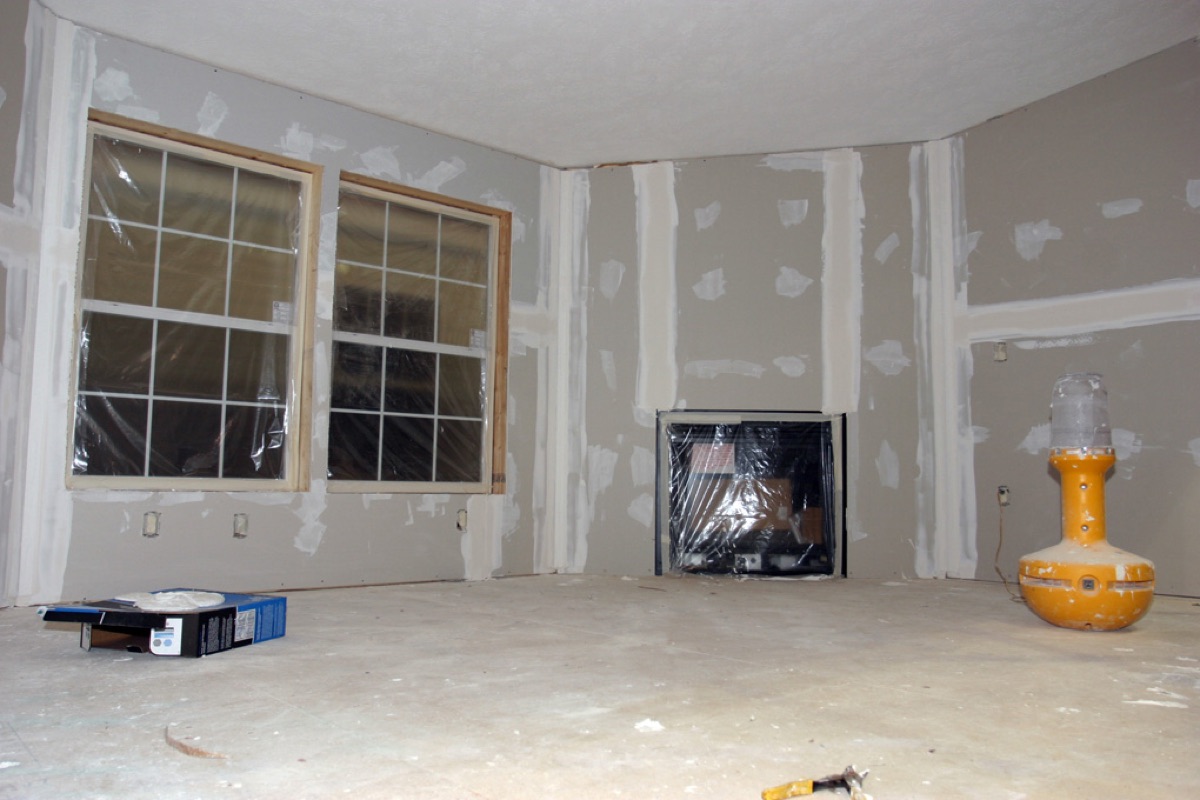
A typical interior renovation sequence runs roughly: demolition, rough framing changes, rough-in trades (plumbing, electrical, and HVAC rough-in happen roughly together, since they often need to coordinate around the same wall and ceiling cavities), inspection of the rough-in before it is covered, insulation, drywall, then finishing trades in this general order: painting (at least a first coat, before flooring goes in to avoid overspray damage), flooring, trim and doors, cabinetry, then final electrical and plumbing fixture installation, and finally a punch list walkthrough.
The most common sequencing mistakes: installing finished flooring before heavy trades (like cabinet installation) are complete, which risks damaging the new floor; painting after flooring instead of before, which increases the risk of paint splatter on finished floors and requires more careful masking; and closing up drywall before the rough-in inspection has been booked and passed, which forces costly, disruptive re-opening of walls if an inspector finds an issue.
Building in short buffer periods between phases -- rather than scheduling trades back-to-back with zero slack -- absorbs the small delays that are normal on almost every project without cascading into a full schedule failure.